
Walking through Aljunied, you feel the pulse of a mature Singaporean estate. From the bustling food centres near Aljunied MRT to the quiet, leafy streets lined with older HDB blocks and shophouses, this neighbourhood has character. But renovating a home here- whether it’s a charming resale flat or a modern condo unit – presents a unique set of challenges that differ vastly from outfitting a brand-new BTO in Punggol.
Older units often require extensive rewiring, waterproofing, and structural checks. The layout might need a complete overhaul to suit modern open-concept living. This is where the difference between a general handyman and a top-tier renovation contractor becomes glaringly obvious. A successful renovation isn’t just about picking aesthetic tiles; it’s about navigating HDB permits, managing strict timelines, and ensuring quality workmanship that lasts for decades.
If you are planning to transform your Aljunied property into a dream home, this guide will walk you through everything you need to know – from navigating HDB guidelines to understanding cost breakdowns – so you can hire the best team for the job.
Why Renovating in Aljunied Is Different
Aljunied is a mature estate, which impacts your renovation strategy significantly. Unlike new BTO flats that come with a “clean slate,” resale units in Aljunied often come with history. You might find existing built-ins that need hacking, floor tiles that have seen better days, or electrical points that don’t match current safety standards.
Structural Considerations for Older Flats
Many flats in this area were built in the 70s and 80s. While these units often boast larger floor areas – a huge plus – they may also have structural beams and columns that cannot be hacked. A top renovation contractor will know how to design around these structural limitations rather than promising impossible layouts.
Plumbing and Electrical Upgrades
In older estates, existing wiring and piping often need a full replacement. Old PVC pipes might be prone to leaking, and electrical loads may not support modern appliances like induction hobs and dryers. Your contractor needs to assess the “guts” of the house before even thinking about cosmetic finishes.
The HDB Renovation Process: A Step-by-Step Guide
Singapore has one of the most regulated renovation industries in the world, and for good reason. Living in high-density housing requires strict adherence to safety and noise control. Here is the roadmap a professional contractor will follow.
1. Pre-Renovation Assessment and Budgeting
Before a single hammer is lifted, you need a plan. This phase usually takes 4 to 5 weeks. It involves site measurements, mood board creation, and, most importantly, financial planning.
Cost Estimates to Keep in Mind:
- 3-Room Resale: Expect to budget between $51,000 to $61,800. This higher range accounts for hacking and making good existing surfaces.
- 4-Room Resale: Costs typically range from $64,300 to $80,300, depending on the extent of carpentry and masonry required.
- 5-Room Resale: For larger units, budgets often start from $84,300 and can exceed $97,000 for extensive overhauls.
Note: These figures are estimates for comprehensive renovations, including hacking, masonry, and carpentry.
2. Securing HDB Permits
This is the litmus test for any contractor. Only an HDB Registered Renovation Contractor can apply for HDB renovation permits. If your contractor asks you to apply for the permit yourself or suggests skipping it, walk away immediately.
You will need a permit for:
- Hacking or demolishing any walls (partial or full).
- Replacing floor finishes (due to strict weight load limits).
- Changing the position of doors or hacking architraves.
- Window replacements (must be done by a BCA-approved window contractor).
Approval typically takes up to three weeks, though straightforward applications might be approved sooner.
3. The “Hacking” Phase
Demolition is the loudest and most disruptive part of the process. In Singapore, noisy renovation works are strictly regulated. They can only occur between 9:00 AM and 5:00 PM on weekdays. No noisy work is allowed on weekends or public holidays.
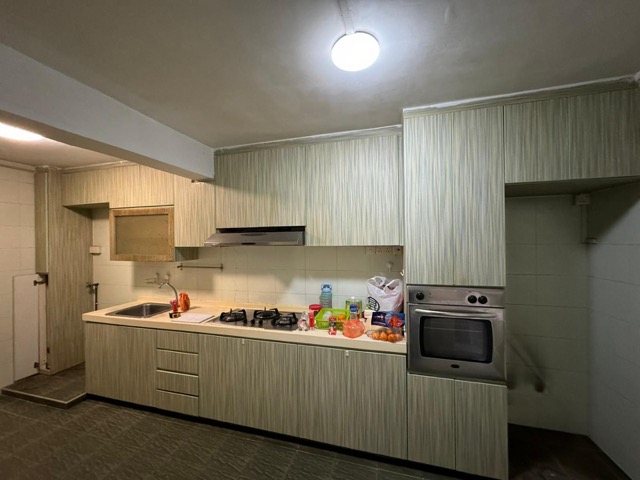
For Aljunied resale flats, hacking often involves removing old kitchen cabinets, hacking up bathroom tiles (subject to the 3-year restriction period for new flats, though rarely applicable in mature estates), and dismantling built-in wardrobes.
4. Masonry and “Wet Works”
Once the debris is cleared, masonry begins. This includes constructing bases for kitchen cabinets, fridge, and washing machine, as well as tiling floors and walls.
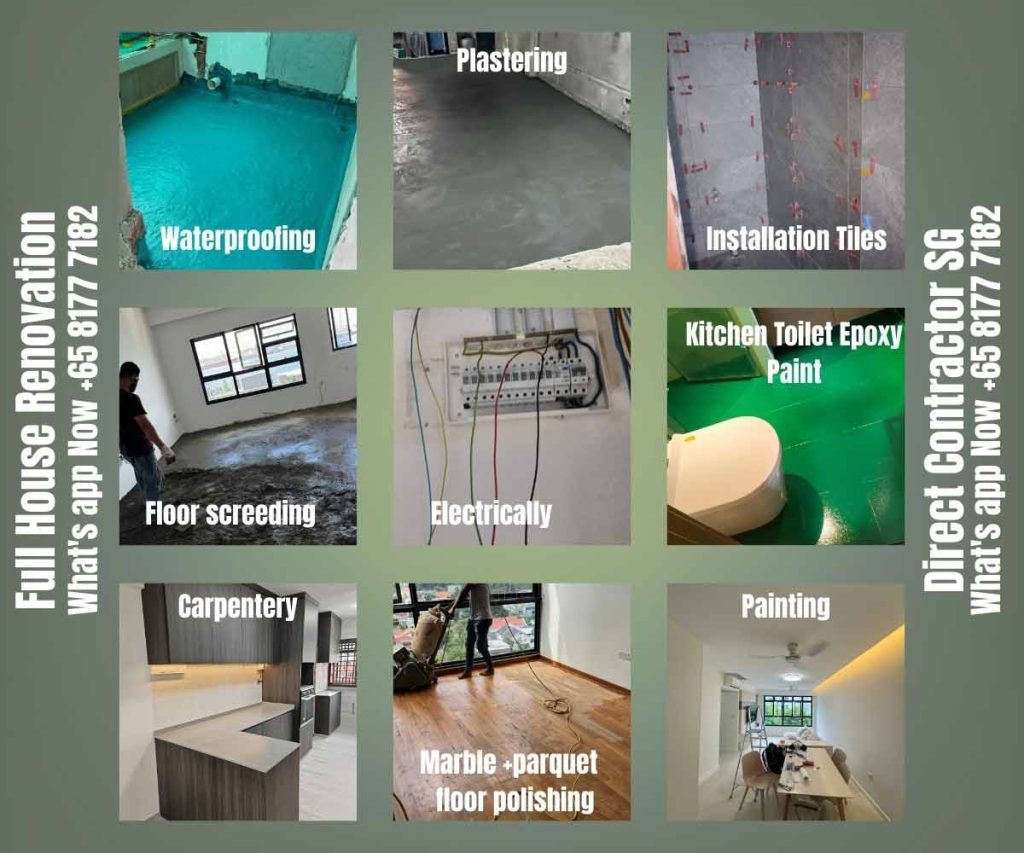
- Waterproofing is non-negotiable: In older flats, the waterproofing membrane in bathrooms and kitchens often degrades over time. A quality contractor will re-apply rigorous waterproofing before laying new tiles to prevent leaks into your neighbor’s unit below – a common dispute in mature estates.
5. Carpentry and Fabrication
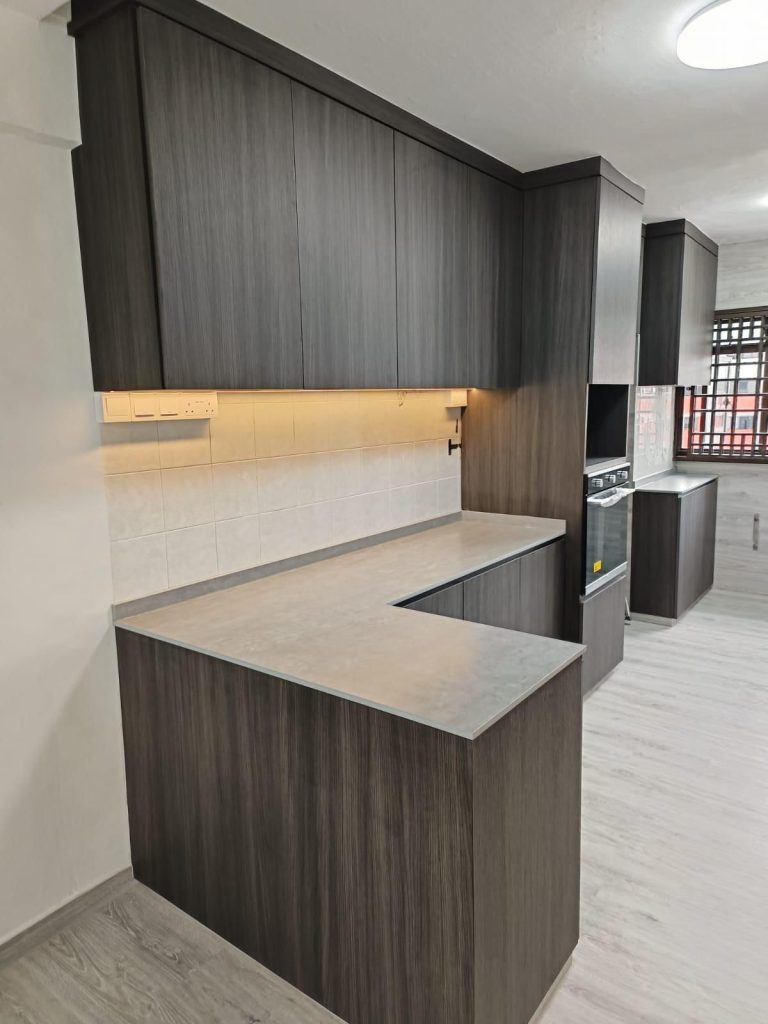
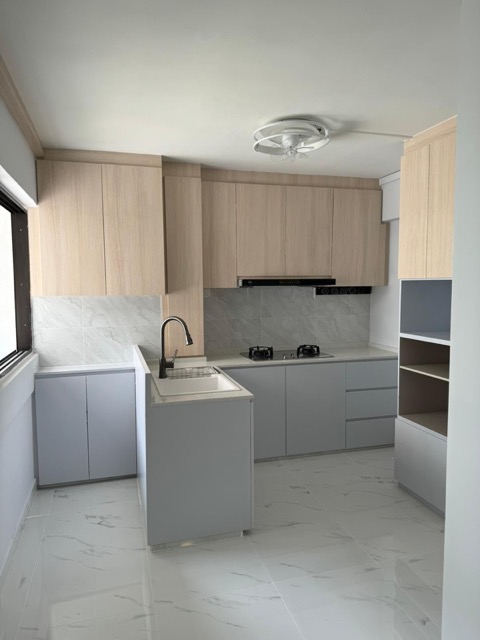
While wet works are happening on-site, your carpentry (wardrobes, kitchen cabinets, TV consoles) is being fabricated in a workshop. This off-site work helps speed up the timeline. Carpentry is usually the most expensive component of a renovation, often accounting for 40-50% of the total cost.
6. Plumbing and Electrical Installation
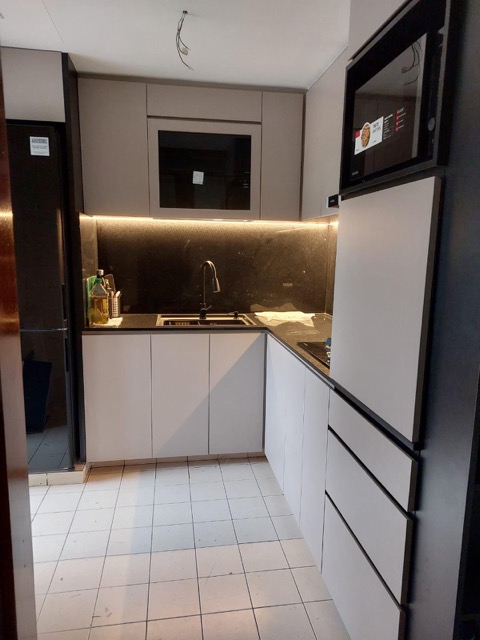
This stage runs concurrently with other works. It involves running new copper pipes, installing instant or storage heaters, and placing electrical sockets. In Aljunied renovations, we often recommend adding more power points than you think you need, as older layouts were designed for a time before smart homes and multiple devices.
How to Choose the Right Contractor for Your Aljunied Home
The market is flooded with firms offering “cheap packages,” but low upfront costs often lead to hidden variation orders later. Here is how to vet your potential partner.
Check for HDB Registration
This is the baseline requirement. HDB Registered Renovation Contractors have undergone training on HDB’s renovation guidelines. They understand structural integrity, safety requirements, and prohibited works. Hiring an unlisted contractor is an offence that can lead to a fine of up to $5,000 for the homeowner.
Scrutinise the Quotation
A professional quotation should be itemized. Avoid quotes that list “Kitchen Renovation – $10,000” as a single line item. Instead, look for:
- Supply and labor breakdown: Is the tile price included, or just the labor to lay it?
- Dimensions: Are cabinets quoted per foot run?
- Materials: Is the internal cabinetry PVC or plywood? Are the drawers soft-close?
Ask About Their “Resale” Experience
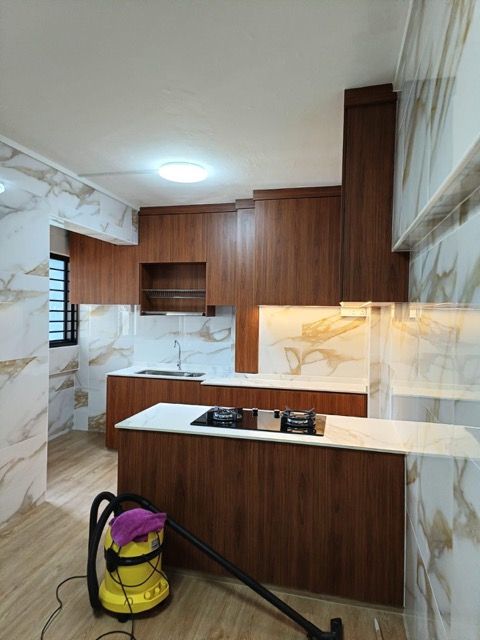
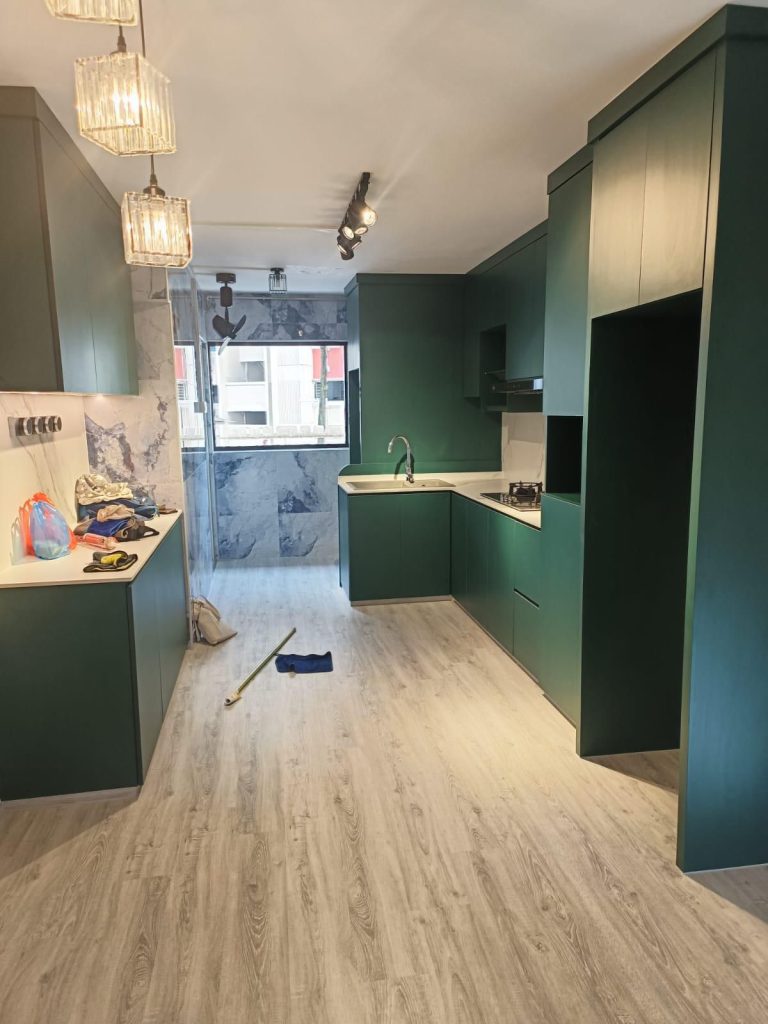
Renovating a new BTO is predictable. Renovating a resale unit is full of surprises. Ask the contractor specifically about unexpected issues they have faced in mature estates. Their answer will reveal their problem-solving ability. Do they know how to handle concealed piping? Are they familiar with the older rubbish chute designs common in Aljunied blocks?
Common Renovation Pitfalls to Avoid
1. Ignoring the “3-Year Restriction” on Bathroom Tiles
Even in resale flats, if the bathroom tiles were recently upgraded by HDB (perhaps under the Home Improvement Programme), you might be barred from hacking them for three years to protect the waterproofing warranty. Always check the status of your unit’s recent upgrades.
2. Overlooking Electrical Load
Buying a heavy-duty induction cooker or a high-capacity air conditioner? Older flats might require a power upgrade from 30 Amps to 40 Amps. Your contractor needs to identify this early and apply to SP Services; otherwise, you will face constant power trips.
3. Underestimating the Timeline
A standard resale renovation takes 10 to 12 weeks. This is longer than a BTO renovation (8-10 weeks) because of the demolition and repair works required. If a contractor promises a 4-week turnaround for a full resale overhaul, they are likely cutting corners or overpromising.
Essential Renovation Costs Breakdown
Understanding where your money goes helps you budget effectively. Here is a typical distribution for a 4-room resale flat renovation in Singapore:
- Carpentry (35-45%): Kitchen cabinets, wardrobes, shoe racks, and vanity units. Custom carpentry is labour-intensive and material-heavy.
- Masonry & Hacking (20-25%): Tiling is skilled labour. The cost varies significantly based on the size of tiles (large-format tiles cost more to lay) and the complexity of the layout.
- Plumbing & Electrical (10-15%): Often underestimated, but rewiring a whole flat is a major expense.
- Ceiling & Painting (10%): False ceilings to hide wiring and a fresh coat of paint.
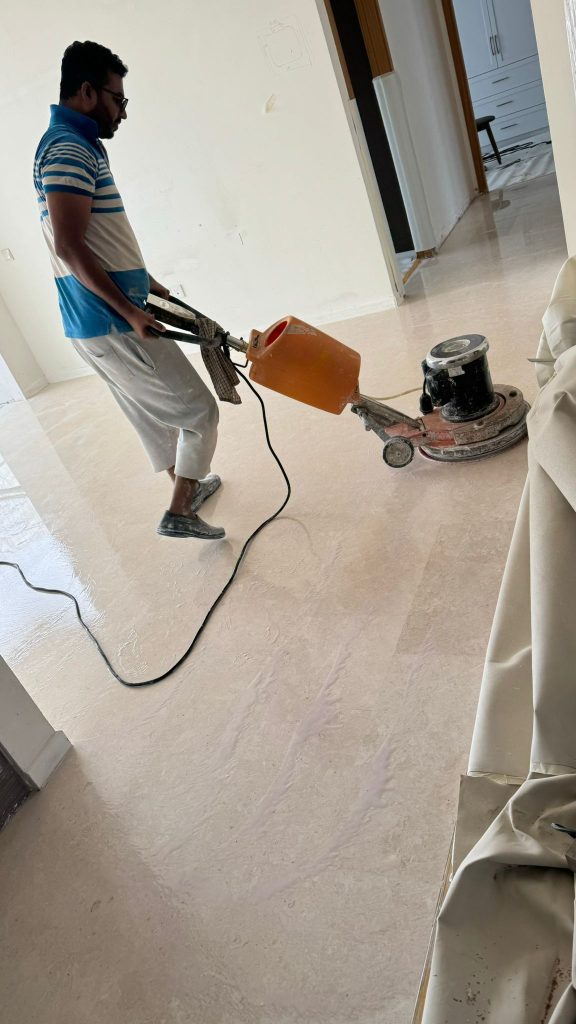
- Miscellaneous (5-10%): Polishing marble floors, chemical washing, haulage of debris, and window grilles.
Do I need a permit to change my windows in an Aljunied HDB?
Yes. Windows are a safety feature. You must engage a BCA-approved window contractor registered with HDB. You cannot replace full-height windows or change the colour of the glass to something different from the original estate design.
Can I enclose my balcony?
In many cases, the balcony is designated as an outdoor space and cannot be fully enclosed with glass walls. However, you are usually allowed to install HDB-approved grilles or invisible grilles for safety. Always check the specific guidelines for your block.
What happens if my renovation is delayed?
Delays happen, often due to material shortages or manpower issues. A solid contract will include a penalty clause or a clear timeline extension policy. Maintaining open communication with your contractor is key to managing these shifts.
Is it cheaper to overlay tiles or hack them?
Overlaying is generally cheaper because you save on hacking labour and haulage fees. However, you can only overlay if the existing tiles are hollow-free and the floor level doesn’t exceed the HDB height limit (usually 50mm rise).
Build Your Dream Home with Everyday Renovation
Renovating your home in Aljunied is a journey that requires patience, planning, and the right partner. You are not just updating a property; you are crafting a space where your family will grow, laugh, and live for years to come.
Don’t leave your biggest asset in the hands of unverified contractors. You need a team that understands the nuances of HDB guidelines, respects your budget, and delivers quality that stands the test of time.
At Everyday Renovation, we pride ourselves on being the top renovation service provider in Singapore. We specialise in navigating the complexities of mature estates like Aljunied, ensuring a seamless process from the first design sketch to the final handover.
Ready to start your transformation? Contact Everyday Renovation today for a consultation, and let’s build something beautiful together.